Dental Bonding in Inver Grove Heights
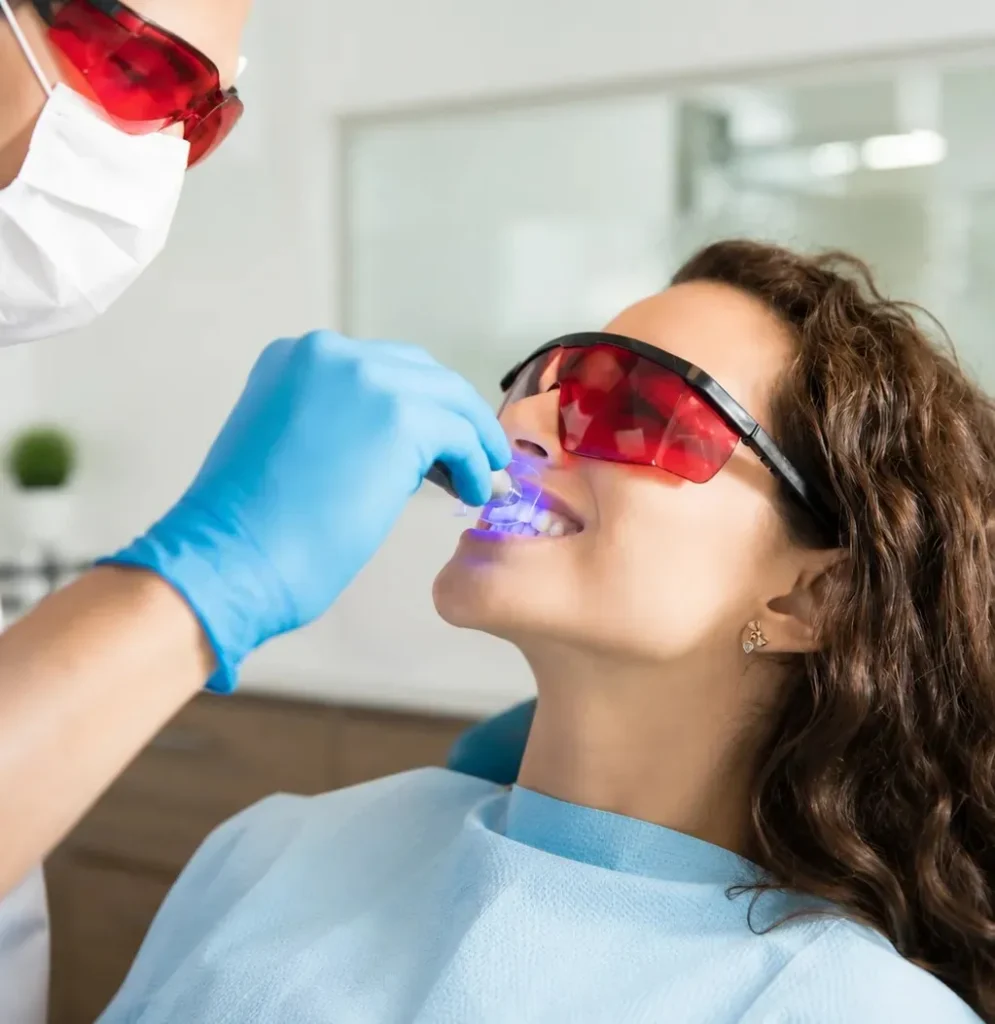
Cosmetic Dental Bonding
Small imperfections can have a big impact on your confidence. Cosmetic dental bonding is a simple and effective treatment used to improve the appearance of chipped, cracked, stained, or uneven teeth. By carefully applying a tooth-colored resin, Dr. Tom can enhance the shape and appearance of your teeth while maintaining a natural-looking smile.
The procedure is typically completed in a single visit and requires little to no removal of healthy tooth structure. Whether you want to repair a minor flaw or refresh your smile, dental bonding offers a quick and affordable solution with beautiful results.
- Repairs chips, cracks, and minor imperfections
- Quick and comfortable treatment
- Natural-looking smile enhancement
Restorative Dental Bonding
Dental bonding can also be used to restore teeth that have been damaged by wear, minor fractures, or decay. The bonding material is carefully applied to strengthen the affected area while restoring the tooth’s natural shape and function.
Because it is a conservative treatment option, bonding helps preserve healthy tooth structure while improving both comfort and appearance. Dr. Tom customizes each restoration to blend seamlessly with your smile, providing durable and aesthetically pleasing results.
- Strengthens and protects damaged teeth
- Restores natural function and appearance
- Conservative treatment with lasting results
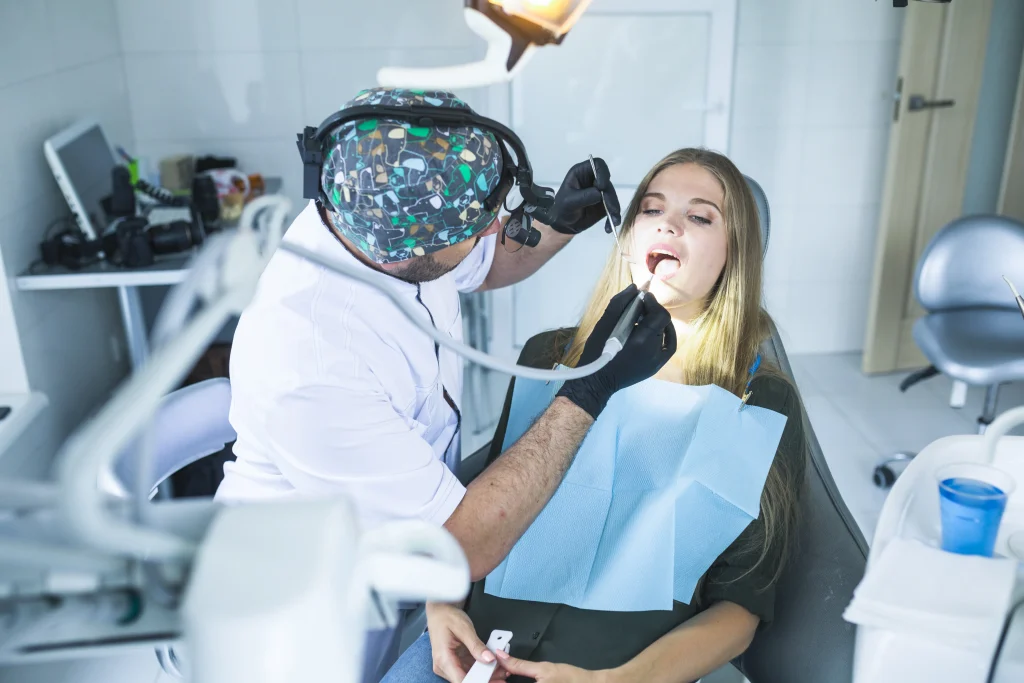
Why Choose Bonding ?
Experienced cosmetic dental specialists

High-quality, tooth-colored bonding materials
Precise, natural-looking results

Comfortable and minimally invasive treatment
Frequently Asked Questions
What is dental bonding used for?
Dental bonding is a cosmetic and restorative treatment used to repair chipped, cracked, discolored, or uneven teeth. It can also be used to close small gaps between teeth and improve the overall appearance of your smile.
How long does dental bonding last?
With proper care, dental bonding can last several years before requiring touch-ups or replacement. The longevity of the treatment depends on factors such as oral hygiene habits, diet, and the location of the bonded tooth.
Is dental bonding painful?
Dental bonding is typically a comfortable and minimally invasive procedure. In most cases, little to no anesthesia is required because the treatment involves minimal alteration of the natural tooth structure.
How does dental bonding compare to veneers?
Both treatments can improve the appearance of your smile, but dental bonding is generally more affordable and can often be completed in a single visit. Veneers may be recommended for patients seeking a more comprehensive cosmetic transformation or a longer-lasting solution.
Can dental bonding fix chipped or cracked teeth?
Yes. Dental bonding is commonly used to repair minor chips, cracks, and other imperfections. The tooth-colored resin is carefully shaped and polished to blend naturally with your surrounding teeth, helping restore both appearance and confidence.